

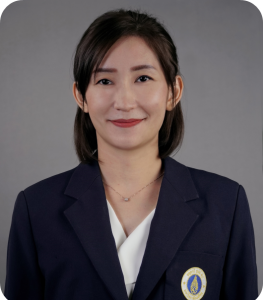
Asst. Prof. Dr. Nittaya Boonmuen
Education
Research Interests
- Ph.D. (Physiology), Mahidol University, 2016
- B.Sc. (Physical Therapy), Chiang Mai University, 2010
- Discovery and development of new drugs from natural resources for cancers and aged related disease, i.e., Metabolic diseases
- Theragnostic potential of extracellular vesicles in cancer and aged-related diseases
- Study of extracellular vesicle from natural products/ functional food
1. Plain Language Summary (PLS)
เรื่อง : 14-Deoxy-11,12-didehydroandrographolide Promotes Ex Vivo Expansion of Umbilical Cord Blood Stem Cells through Stemness- Related Gene Regulation
การเผยแพร่ : Umbilical cord blood is an important source of blood-forming stem cells used to treat patients with blood disorders and cancers through stem cell transplantation. However, one major challenge is that a single unit of cord blood often contains too few stem cells, especially for adult patients. Therefore, identifying safe and effective methods to increase stem cell numbers before transplantation could improve treatment success and enable more patients to benefit from cord blood transplantation.
In this study, we investigated 14-deoxy-11,12-didehydroandrographolide (14-DDA), a natural compound isolated from Andrographis paniculata (commonly known as green chiretta), a medicinal plant widely used in traditional Asian medicine. We examined whether this compound could promote the growth of human blood-forming stem cells obtained from umbilical cord blood.
Our results showed that 14-DDA significantly increased the number of stem cells during laboratory culture while maintaining their key stem cell properties. The treated cells retained their ability to produce various blood cell types and showed increased expression of genes associated with stem cell self-renewal and proliferation. Further analysis revealed that 14-DDA activated the Wnt/β-catenin signaling pathway, an important pathway involved in maintaining stem cell function. In addition, the compound reduced the expression of several genes associated with cellular stress, differentiation, and cancer-related processes.
These findings suggest that 14-DDA may be a promising natural compound to expand functional blood-forming stem cells before transplantation. This approach could help overcome the limited stem cell numbers available from umbilical cord blood and improve the effectiveness of stem cell-based therapies for patients with hematological diseases. Further studies are needed to confirm its long-term safety and therapeutic benefits in clinical applications.
SDG 3 (Good Health and Well-Being)
Reference: Ruknarong L, Sutjarit N, Boonmuen N, Iaocharoen P, Duangsong T, Pabuprapap W, Suksamrarn A, and Tantikanlayaporn D. 2026. 14-Deoxy-11,12-didehydroandrographolide Promotes Ex Vivo Expansion of Umbilical Cord Blood Stem Cells through Stemness-Related Gene Regulation. ACS Omega 11:22571-22580. 10.1021/acsomega.5c08975
2. Plain Language Summary (PLS)
เรื่อง : DPHD from Curcuma comosa Enhances the Expansion and Osteogenic Differentiation of Human Umbilical Cord-Derived Mesenchymal Stem Cells While Attenuating Senescence
การเผยแพร่ : Osteoporosis and other age-related bone disorders affect millions of people worldwide and can lead to fractures, disability, and reduced quality of life. Although stem cell-based therapies offer promising approaches for repairing damaged bone, their effectiveness is often limited because stem cells gradually lose their ability to grow and function during laboratory expansion before clinical use.
In this study, we investigated a natural compound called DPHD, which is derived from Curcuma comosa, a medicinal plant traditionally used in Southeast Asia. We examined whether DPHD could improve the quality and regenerative potential of human umbilical cord-derived mesenchymal stem cells, a type of stem cell widely studied for bone regeneration.
We found that DPHD enhanced stem cell growth and migration while maintaining important stem cell characteristics. Importantly, DPHD reduced cellular aging (senescence), decreased harmful inflammatory factors, and lowered oxidative stress within the cells. In addition, DPHD significantly improved stem cells’ ability to differentiate into bone-forming cells, leading to increased bone-related gene expression, mineral deposition, and bone formation markers.
Our findings suggest that DPHD may help overcome one of the major challenges in stem cell therapy by preserving stem cell function during expansion and enhancing their bone-forming capacity. This natural compound could therefore improve the effectiveness of stem cell-based treatments for osteoporosis, bone defects, and other degenerative skeletal disorders. Further studies are needed to evaluate its safety and therapeutic potential in clinical applications.
SDG 3 (Good Health and Well-Being)
Reference: Boonmuen N, Paing MM, Sutjarit N, Kheolamai P, Manochantr S, Tantrawatpan C, Chaichompoo W, Suksamrarn A, and Tantikanlayaporn D. 2026. DPHD from Curcuma comosa Enhances the Expansion and Osteogenic Differentiation of Human Umbilical Cord-Derived Mesenchymal Stem Cells While Attenuating Senescence. ACS Omega. 10.1021/acsomega.5c08638
3. Plain Language Summary (PLS)
เรื่อง : The Effects of SGLT2 Inhibitors on Muscle Health in Older Adults: A Systematic Review and Meta-Analysis
การเผยแพร่ : Type 2 diabetes and obesity are becoming increasingly common worldwide, especially among older adults. Many people with diabetes are prescribed sodium-glucose cotransporter 2 (SGLT2) inhibitors, a group of medications that help lower blood sugar levels and promote weight loss. While these drugs provide important benefits for heart and kidney health, there is growing concern that the weight loss they cause might also lead to loss of muscle mass, which could increase the risk of frailty and sarcopenia in older adults.
To better understand this issue, we systematically reviewed and analyzed data from eight randomized controlled trials involving 541 older adults with type 2 diabetes. We examined how SGLT2 inhibitors affected body weight, body fat, and muscle mass compared with other diabetes treatments or a placebo.
Our analysis showed that SGLT2 inhibitors consistently reduced body weight and significantly decreased body fat. Although a small reduction in muscle mass was also observed, the amount of muscle loss was much smaller than the reduction in fat mass. Overall, most of the weight loss associated with SGLT2 inhibitors appeared to come from fat reduction rather than muscle loss.
These findings suggest that SGLT2 inhibitors have a generally favorable effect on body composition in older adults with type 2 diabetes. However, because older individuals are already at risk of age-related muscle loss, healthcare providers should continue to monitor muscle health during treatment. Further long-term studies are needed to determine how these medications affect muscle strength, physical function, and frailty in diverse populations.
SDG 3 (Good Health and Well-Being)
Reference: Joongpan W, Boonmuen N, Sinchai P, Lapmanee S, Klamsakul N, and Pathomthongtaweechai N. 2026. The Effects of SGLT2 Inhibitors on Muscle Health in Older Adults: A Systematic Review and Meta-Analysis. 14:e70232. https://doi.org/10.1002/prp2.70232